
Why Camera-etc Showcases Belgian Animation Both To Local Audiences and International Pros
From Liège to the world, a conversation with Bastien Martin, Producer and Coordinator at Camera-etc

Hello everyone, and welcome to this new edition of the Animation Belgian!
Last week, I had the pleasure of treating you with Harpya, one of the Belgian animated hidden gems by Raoul Servais, an author I keep going back to.
In the meantime, I took part in the press jury of Filem’On Intl. Festival, where I discovered great live-action pieces but also animated shorts, from Belgium and beyond.
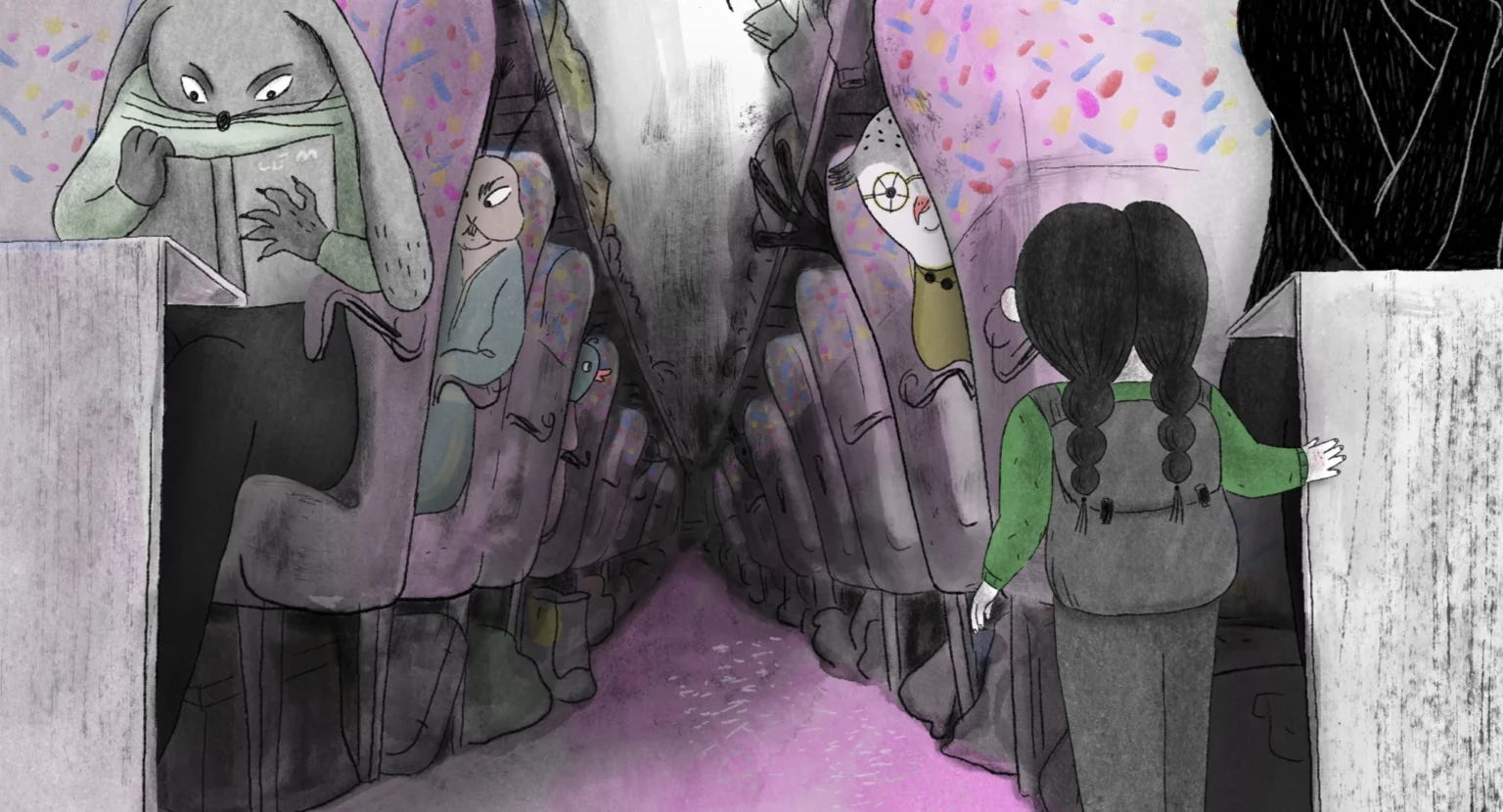
Among them, I had the pleasure of catching up with Berlinale Special Jury Prize winner Autokar by Sylwia Szkiladz, a striking 17-minute wonder which also won the Filem’On Belgian Short Film Award. I can’t wait to chat with Sylwia about the makings of this project, hopefully by the end of the year.
Next week, we head to Cartoon Business, hosted in Brussels for the second year. A great opportunity for all people related to the animation industry to learn more about the latest trends in TV, feature and digital production, and a great stage for Belgian animation studios.
On Thursday, VFX and post-production company The Pack and 2D/3D animation studio Waooh will present their most recent projects in front of Cartoon Business’ audience, kicking off a dense 48 hours of panels, keynotes and debates about the future of the industry.
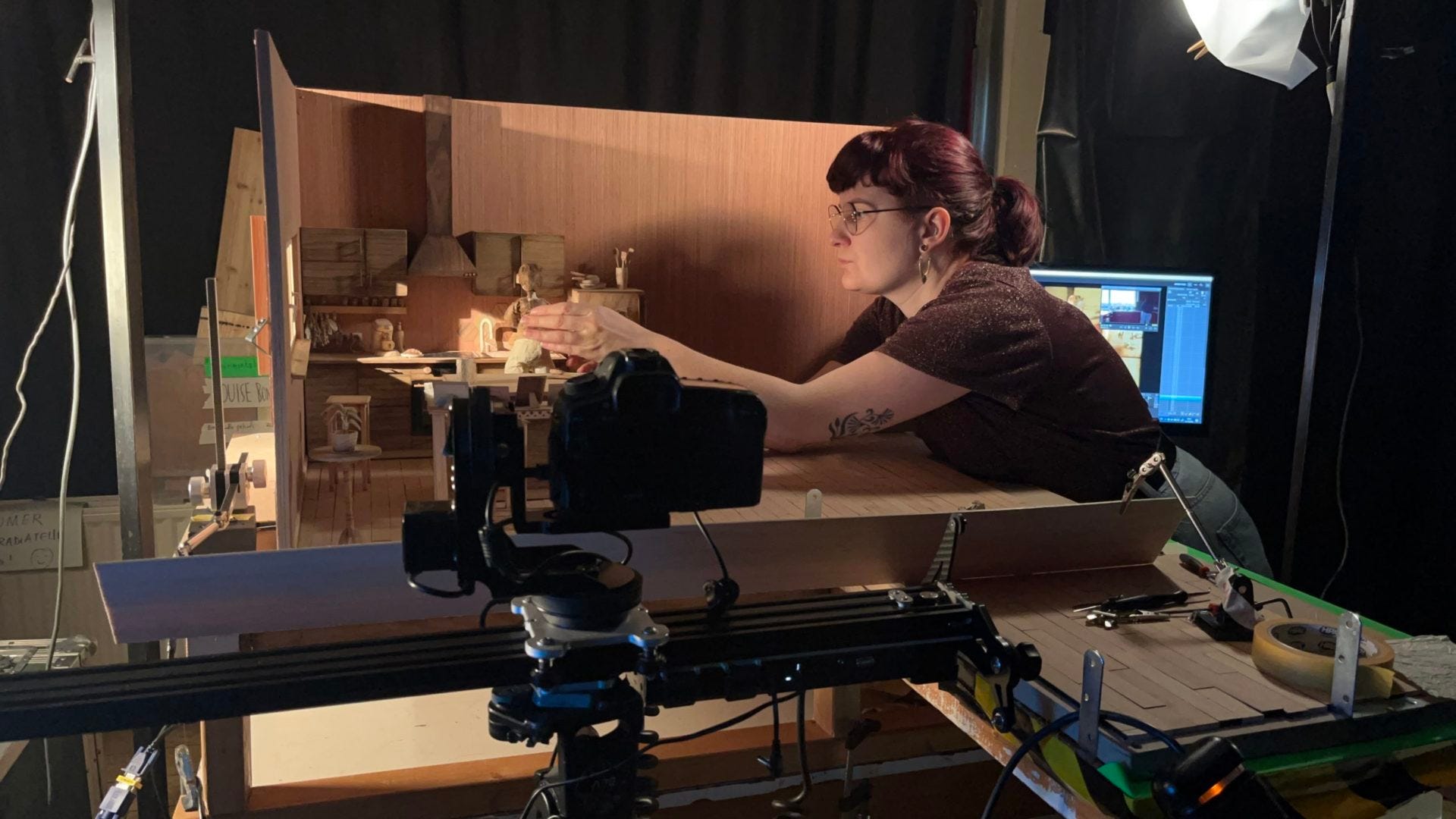
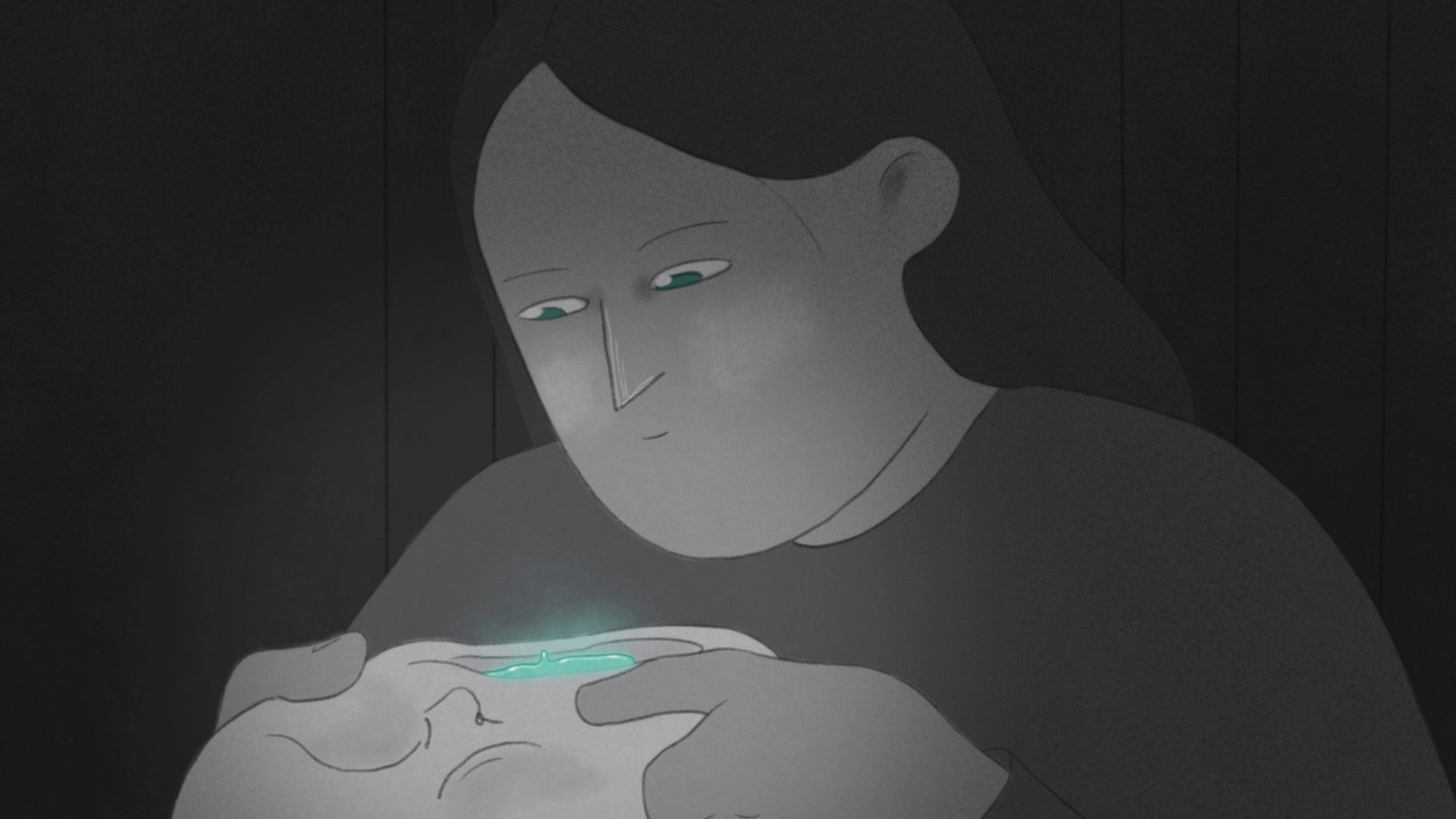
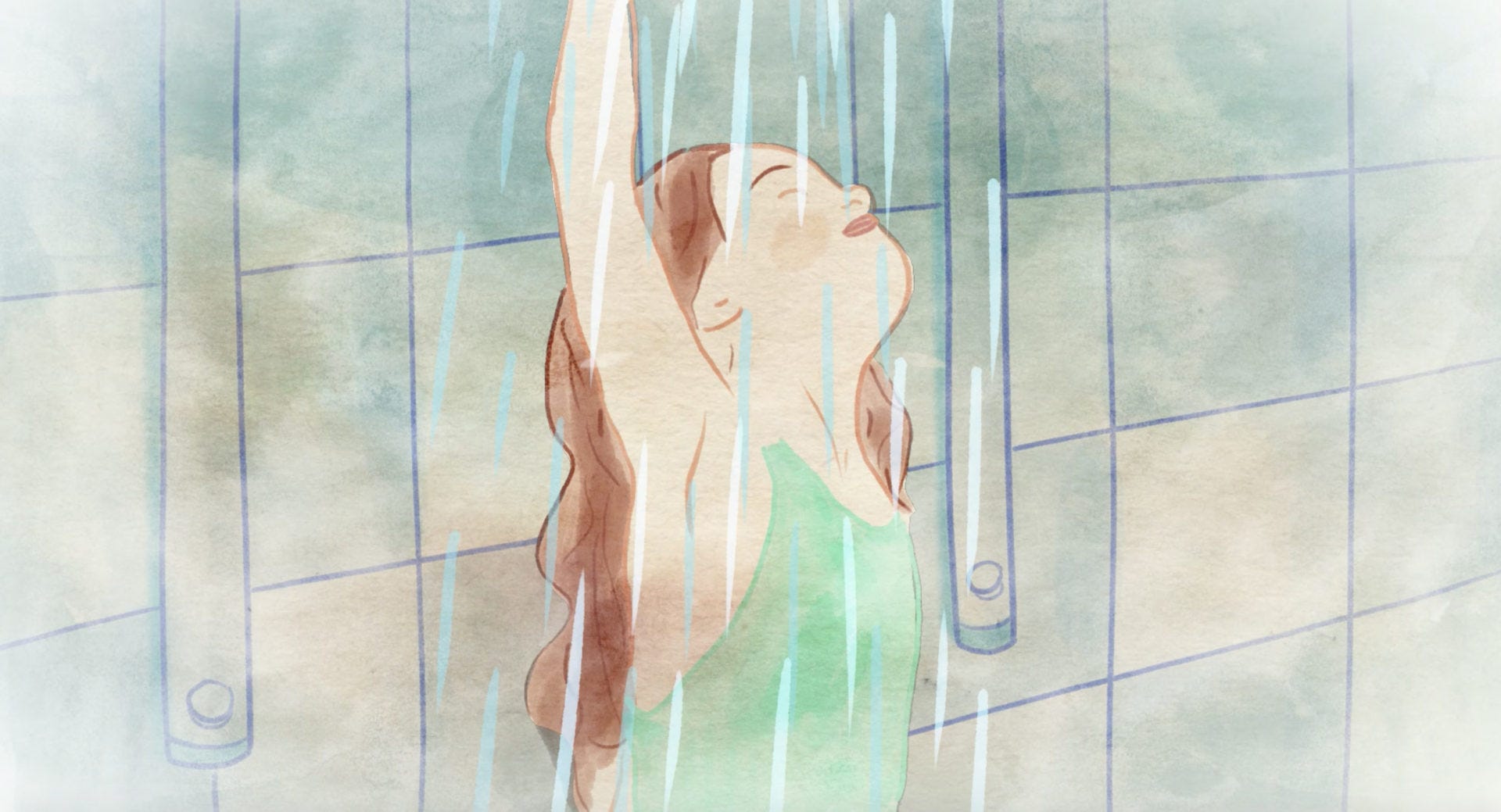
A breather in this packed program, Camera-etc will present its latest award-winning short In Thousand Petals by Louise Bongartz, (with whom we discussed ahead of the Magritte, where Bongartz later received the Best Animated Short Award).
It’s been a busy autumn for Liège-based studio Camera-etc! Just a few weeks ago, the studio wrapped up a successful second edition of its Fête de l’Animation, an evening dedicated to animated indie Belgian shorts, in collaboration with studios Zorobabel, Graphoui and schools La Cambre and MedIADiffusion.
As the studio heads to Cartoon Business, we spoke with Bastien Martin, producer and coordinator at Camera-etc about his ambitions for the future of Belgian animation, both on a local and a global level.
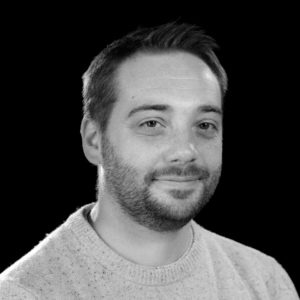
Can you introduce us to Camera-etc in a few words?
Camera-etc was founded in 1979 in Liège. Its founder (and director until his retirement in 2021) Jean-Luc Slock firmly believed that everyone, including children, could do animation. The studio therefore initially focused on group workshops.
Then the children grew up and became animators themselves... In 2008, part of the team decided to move into directing: this led to films like La Boite de Sardines, Orgesticulanismus, Poils, and many others that have been shown all over the world. Today, the team consists of 13 people, half of whom are animators, and the studio’s activities are divided into three main areas: group workshops with children, teenagers, and adults, as well as through partnerships with other socio-cultural or educational organizations ; commissioned films; and author films, a department that I wanted to emphasize when I became coordinator in 2021.
All of this represents about twenty films a year, and last year, our collaborative and author films garnered 240 festival selections and 24 awards, in addition to 189 screenings worldwide.


How does Camera-etc fit in the Belgian animation industry (if such an industry exists)?
Of course it does! This industry just remains discreet because, unfortunately, we don’t have the resources of Portugal or the reach of France, but we shouldn’t underestimate our talent and our producers.
As a non-profit organization (we’re an “atelier de production”), we’re currently limited to short films and animated documentaries, but we collaborate extensively with various organizations in Belgium and beyond.
As of today, we have leads on some major projects that I can’t talk about yet, but things are slowly taking shape. Regarding our own productions, Camera-etc regularly partners with other organizations like Ozù Productions to raise funds through the Tax Shelter program. We are also co-producers (half of the animation and sound post-production) of Motherhood, an upcoming short film directed by Anca Damian, who had previously used our services for animation and character design on other projects such as Marona’s Fantastic Tale.
We also try our best to support emerging talent, notably through our Microfilm calls for projects and our annual residency. Finally, on our modest scale, we’re venturing into promoting the animated medium with the “Fête de l’Animation”, an evening dedicated to films produced by the Ateliers of the Fédération Wallonie-Bruxelles, which takes place in October and is now in its second year. In short, we try to be flexible, to adapt to the market while continuing our development.
Why was it important to you to offer this program to a local audience?
To start, it’s the tireless desire to introduce short films to the general public and on the big screen. It’s become such a difficult format to see outside of festivals or online... Introducing shorts like those to a new audience is a great way to showcase unique and original talents from our region. The event is also an extension of the Fête du Court, with a focus on animation. Furthermore, taking advantage of World Animation Day in October seemed like a good excuse during a period that’s perhaps quieter in terms of film events. Finally, organizing a screening like this outside of Brussels, in Liège, was a nice change of pace!
This week, you’re heading to Cartoon Business, a completely different setting. What are you expecting to take from this event?
The industry is facing difficult times, to say the least: reduced funding in many countries, television networks limiting co-productions and acquisitions, the uncontrolled rise of AI, a backlog of projects in review boards, not to mention rising costs... I don’t think anyone is truly at ease. And this is true in both Europe and North America. To me, the closure of a well-established studio like Nelvana was a bit of a personal shock. It seems important, therefore, to continue building networks and bridges between professionals to envision the future and examine our methods of operation and collaboration. Miracles like Flow won’t happen every year: there’s probably a need for reflection on the current ecosystem in terms of funding, co-productions, and distribution.
Personally, I’m paying close attention to what’s happening in Eastern Europe; CEE Animation is doing fantastic work. We need to keep discovering new cinemas, new opportunities, and an event like Cartoon Business plays this role of a unifying moment.
As part of the Belgian animation sector, what are your hopes and goals for the future?
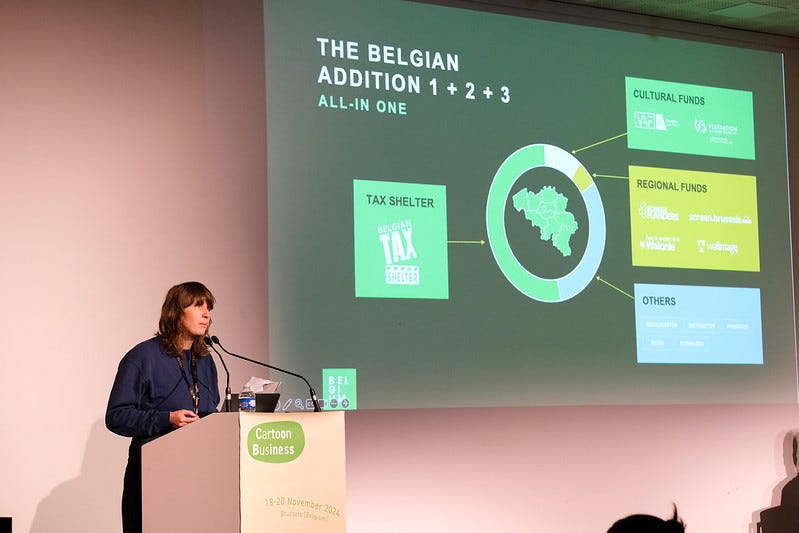
Our mission is twofold: to guarantee (or, better yet, increase) the resources allocated to original creation, and to continue broadening the horizons of potential viewers. Don’t misunderstand me: animation suffers less from its “children’s” image today than it did before, that’s true, but there’s still a long way to go.
I like to think that films like Ugo Bienvenu’s Arco can help us overcome some hurdles. As for funding, well... it’s already not great considering our talent and potential, so we wouldn’t want it to decrease any further. I think we have all the necessary elements: our schools train excellent technicians and directors, the small size of our country facilitates travel between studios, regional funds and the Tax Shelter consistently show interest in the sector given the jobs it creates... The main issue remains with our entry point, the Centre du Cinéma, due to a lack of allocated resources. And this is a matter of politics. The most important thing today is therefore probably to continue fighting to tell our stories and offer them to the public, and to value our talents before they go elsewhere.
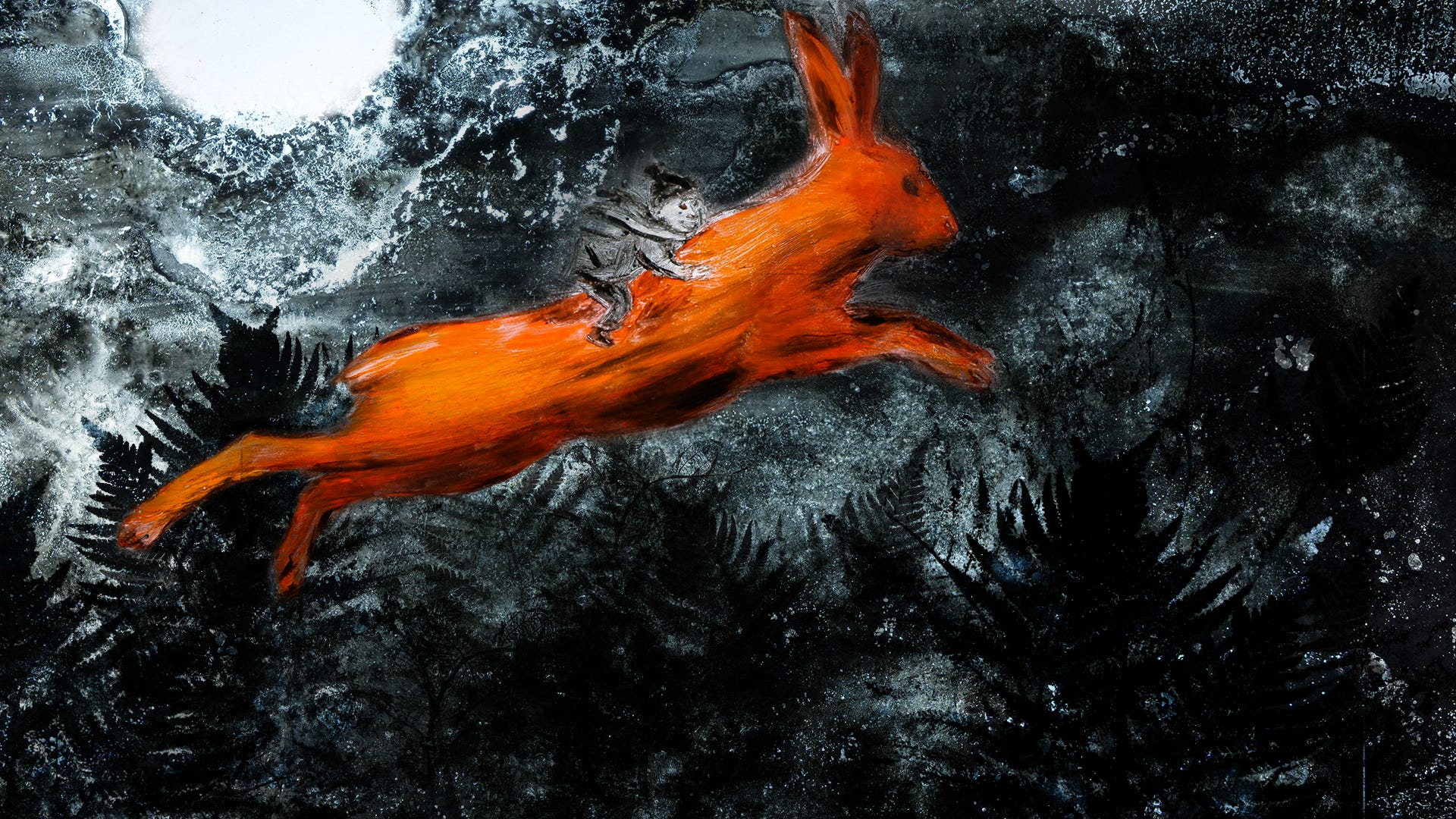
A recent study conducted by the French-Speaking Producers Guild showed that nearly 85 animation projects are currently underway within 22 different companies, with both short- and long-term goals. This includes short films as well as feature films, series, and TV specials. Production companies not traditionally involved in animation are now tackling it successfully, such as Les Films du Fleuve with The Most Precious of Cargoes. On the author side, Belgian live-action duo Hélène Cattet & Bruno Forzani have an animated feature project in development that has been progressing well for years.
Personally, I sense a growing interest in integrating animation into documentaries. The short film Autokar as been very well-received at festivals after winning an award in Berlin, while nWave Pictures continues to challenge the biggest American studios with its feature films such as the recent Chickenhare 2. And I’m only talking about the French-speaking side here, because in the north, studios like Animal Tank are going to the Oscars [last year, Beautiful Men by Nicolas Keppens received an Oscar nomination].
And let’s not forget that animation in Belgium represents a significant volume of employment, regardless of format, and therefore generates a large amount of work for a great many technicians.
In short, on both artistic and technical standpoints, animation is a pillar of contemporary Belgian cinema, and we must fight to keep it that way. When a country invests in animation, as Portugal has done in recent years for example, the entire industry is enhanced and revitalized, both nationally and internationally. We must dare to be curious and take a close look at what exists, before it disappears for lack of resources and audience.
Thank you Bastien for sharing all these insights on the Belgian animation landscape, and hopefully we see each other next week at Cartoon Business to celebrate the richness of animation once more!
In the meantime, I leave you readers with one of my favorite Camera-etc production, Orgesticulanismus by Mathieu Labaye. 2D animation at its best, and a great visual treat to end this Friday on a good note.
Have a great animated weekend <3
Kévin
